
 綠惜講座
綠惜講座

新聞文章
Extend support for smart food waste bins across Hong Kong
 2026-02-27
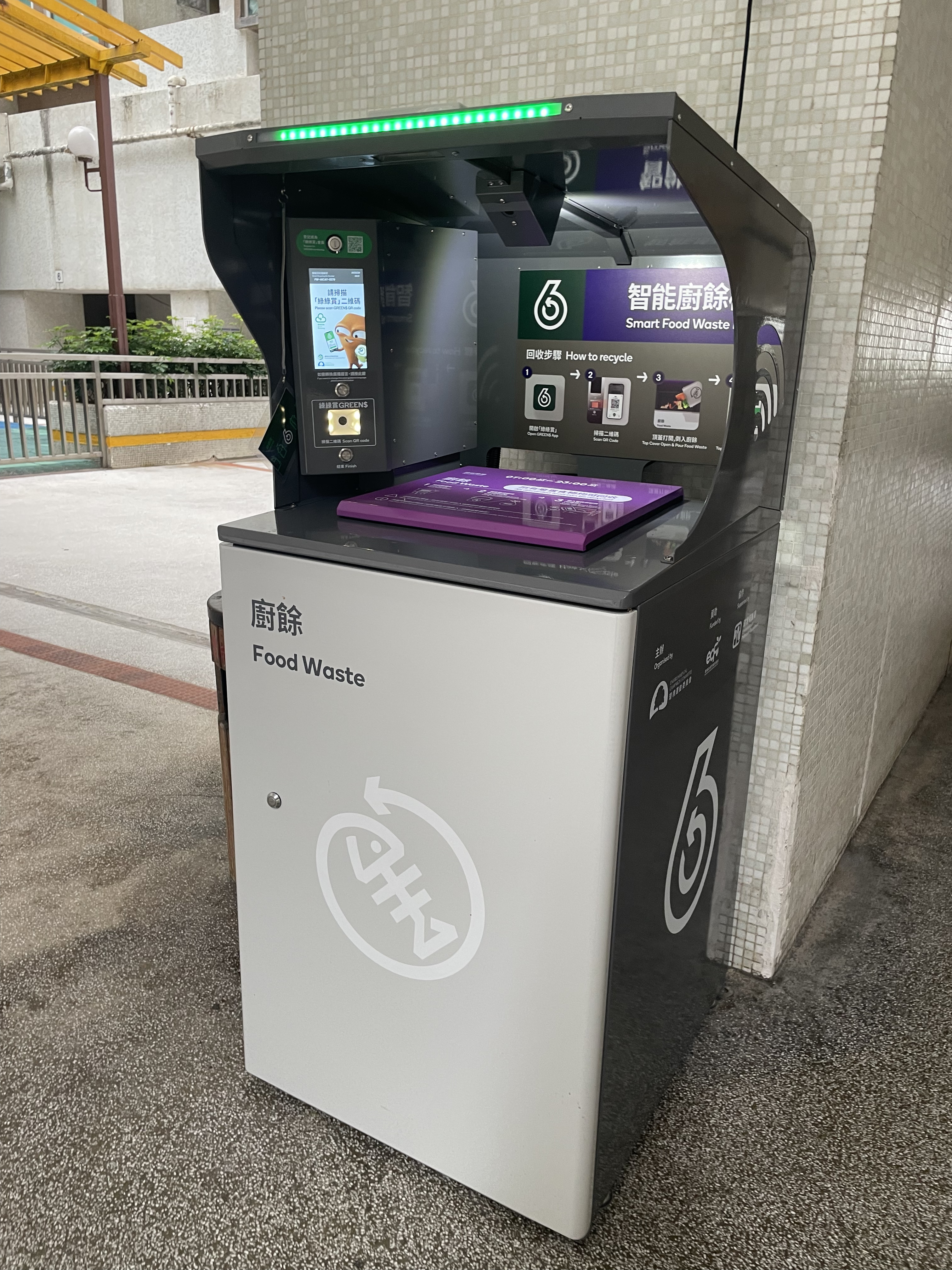
(26 Feb 2026, SCMP) Two years ago, amid plans for a citywide waste-charging scheme, the Hong Kong government rolled out smart food waste recycling bins on private housing estates with two years of free maintenance and collection services. This practical step reduced the city’s food waste, which still accounts for around 30 per cent of municipal solid waste.
Now, with the waste-charging scheme postponed, the free maintenance is expiring and some estates are considering returning the bins. This risks undoing the progress made. In 2024, Hong Kong recovered 104,800 tonnes of food waste, 33 per cent up from the previous year, as more estates were provided with smart bins. We urge the government to extend support for these bins and signal its commitment to sustainability, instead of coming across as sending mixed messages and discouraging green participation.
Maintenance for the existing bins serving more than 350,000 households – one in eight in Hong Kong – comes to HK$1 to HK$2 monthly per household. This is small potatoes compared to the billions spent on an incinerator, and would be money well spent. Scrapping support for the bins is penny-wise but pound-foolish, given that food waste continues to dominate the waste sent to landfills.
The government should explore cost-trimming that would not impact users, such as setting up more pre-treatment systems to turn waste into slurry, thereby cutting waste volume as well as the costs and emissions associated with transporting waste. Furthermore, while recycling is important, waste prevention at source is cheaper and more effective.
In Hong Kong, food loss owing to overproduction or confusing labels may cost dearly. Yet Environmental Protection Department data is not sufficiently broken down into source or type to guide the community in coming up with targeted solutions.
The department should analyse patterns: is disposed food near expiry, and do portions go untouched? Precise data would enable targeted fixes, such as incentives for donations, apps for portions and reforms to food labelling. The government ought to lead by extending support for food waste bins and prioritising analysis to cut food loss at the root.
Steven Chan, assistant environmental affairs manager
The Green Earth South China Morning Post, Extend support for smart food waste bins across Hong Kong
 返回
返回
 2024-12-25